Traumatic Radio-ulnar fracture in a cat
Many people assume surgical treatment is the same for cats and dogs,
but feline patients require significantly different surgical approaches.
Did you know that treating them the same can lead to serious complications?
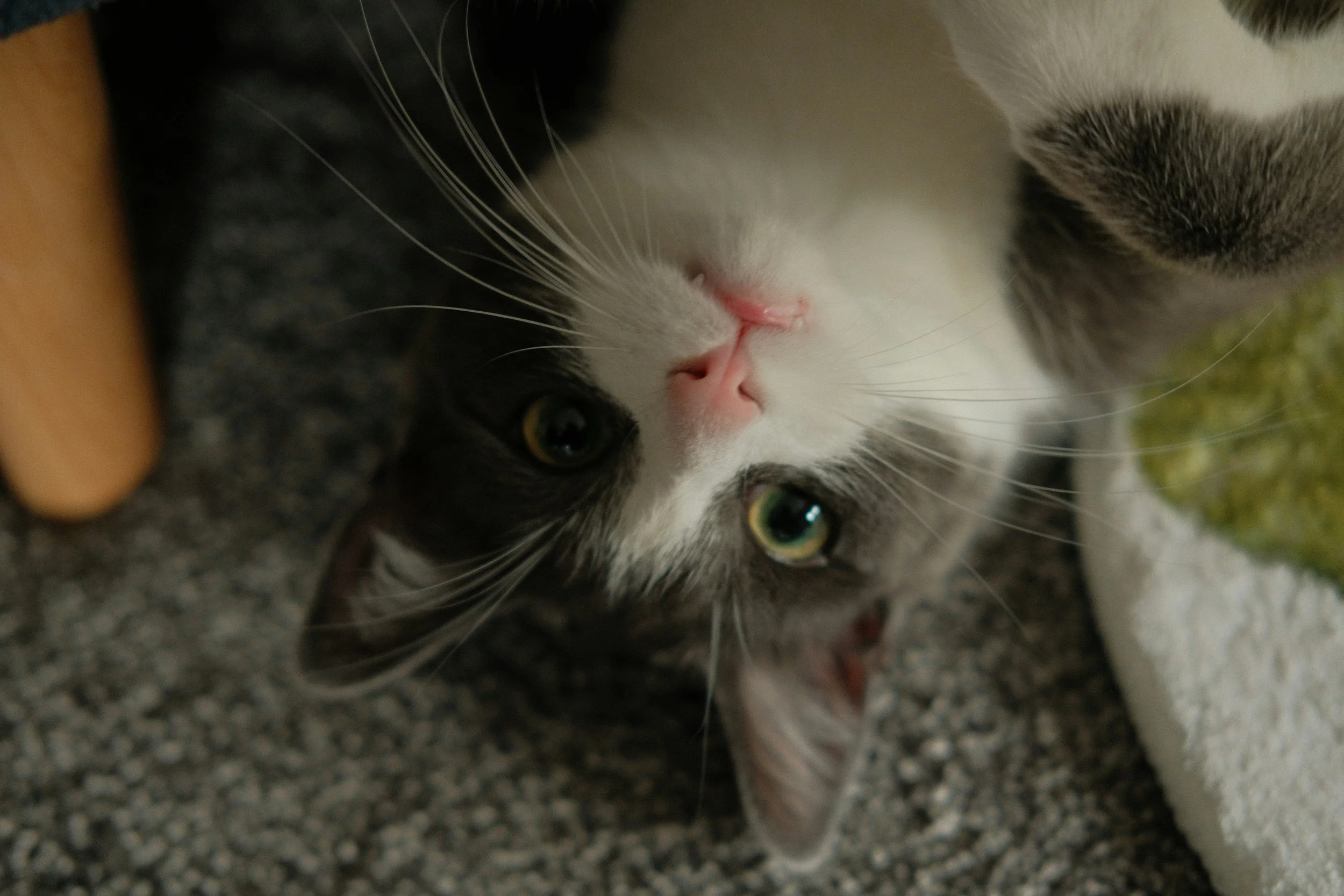
Female, 4 years old, 5 kg domestic short hair indoor cat
presented with acute onset of 5 grade right hindlimb lameness
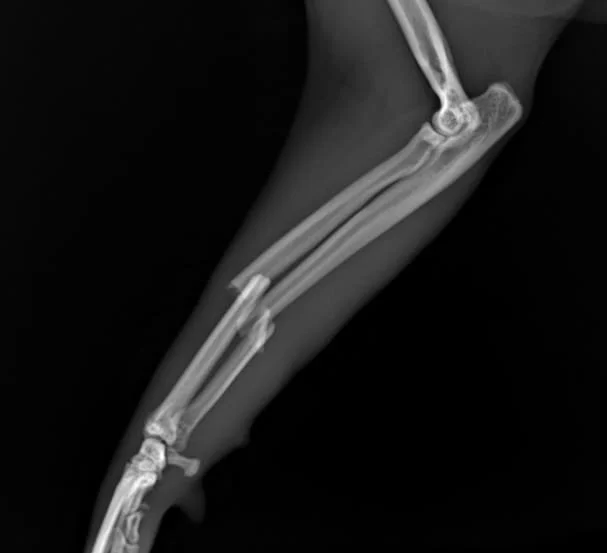
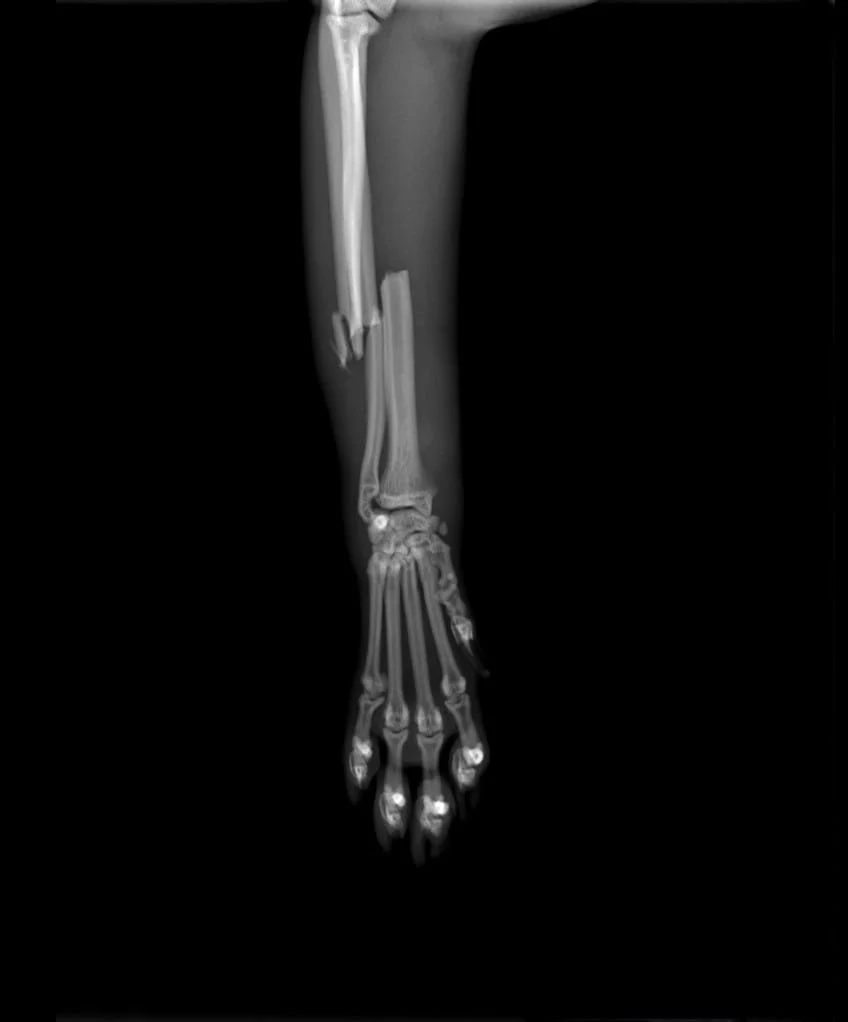
Radiographic exam reveal complete closed trasverse
mid-diaphyseal radius fracture and short oblique
mid-disphyseal ulnar fracture with small lateral butterfly fragment, with caudo-medial displacement.
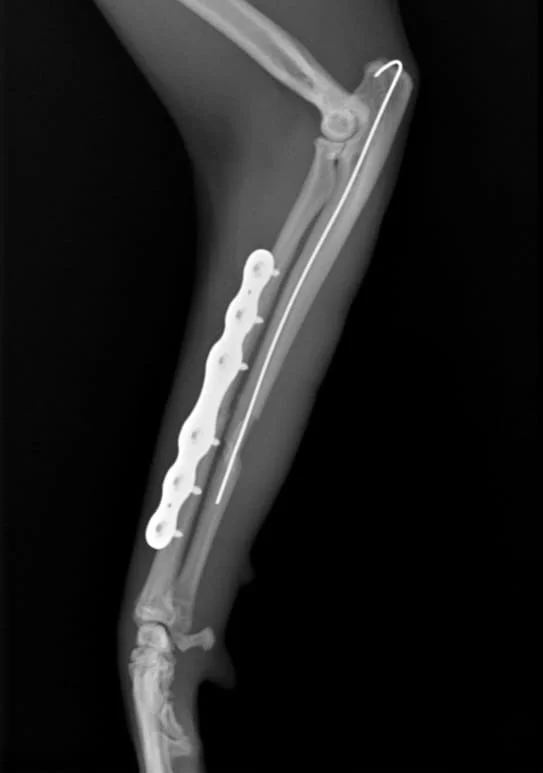
Surgical treatment with internal stabilization.
Cranio-lateral approach to radius & ulna.
Ulnar fracture reduction using 0.8mm k-wire,
radius fracture reduction with Fixin 1.9 mini-series V2102 locking plate with 6 screws.
Post-Operative Care for Feline Patients:
After surgery, appropriate pain relief and anti-inflammatory medication are essential to reduce soft tissue swelling and prevent unnecessary discomfort. Effective pain control helps the cat regain confidence in using the affected limb.
Pain managment
Activity
After surgery, gentle walking helps promote bone healing and encourages your cat to use the affected limb with confidence. Jumping and running should be avoided.
Keeping a cat in a cage after surgery can be stressful and is often considered excessive. Instead, owners should confine the indoors or limit it to a small, safe area of the home. This allows the cat to move around comfortably while still supporting proper bone healing.